
If someone you care about is on dialysis, the most useful gifts usually aren’t kidney-related at all — they’re ordinary comfort, entertainment, and organization items that make treatment days a little easier, plus practical support that takes something off their plate. Here’s how to think about it, organized around what actually helps rather than a generic gift list.
Affiliate disclosure: This page contains affiliate links. If you purchase through one of these links, Renal Care Planner may earn a commission at no additional cost to you. As an Amazon Associate we earn from qualifying purchases.
Warmth: something for a cold treatment room
Treatment rooms are often kept cool, and a compact, easy-to-pack blanket is one of the most consistently useful treatment-day gifts. Look for something that folds small and doesn’t have a hood or anything that could cover the face, since staff need to keep the face, access, and bloodlines visible throughout treatment. See our specific pick in What to Bring to Dialysis.
Comfort: something for hours in a treatment chair
A simple, hoodless neck pillow can make a real difference over a three-to-four-hour session, especially for someone who tends to nap during treatment. As with blankets, avoid designs with a hood or eye covering.
Entertainment: making the time pass
A good pair of headphones is one of the most appreciated treatment-day gifts, particularly ones that work with both a 3.5 mm connection (common on treatment-station TVs) and Bluetooth (for a personal phone or tablet). An audiobook subscription, a stack of books in a genre they enjoy, or a puzzle-book series can also fill hours of chair time in a way that feels like a thoughtful gift rather than a medical accommodation.
Organization: a treatment-day bag that actually works
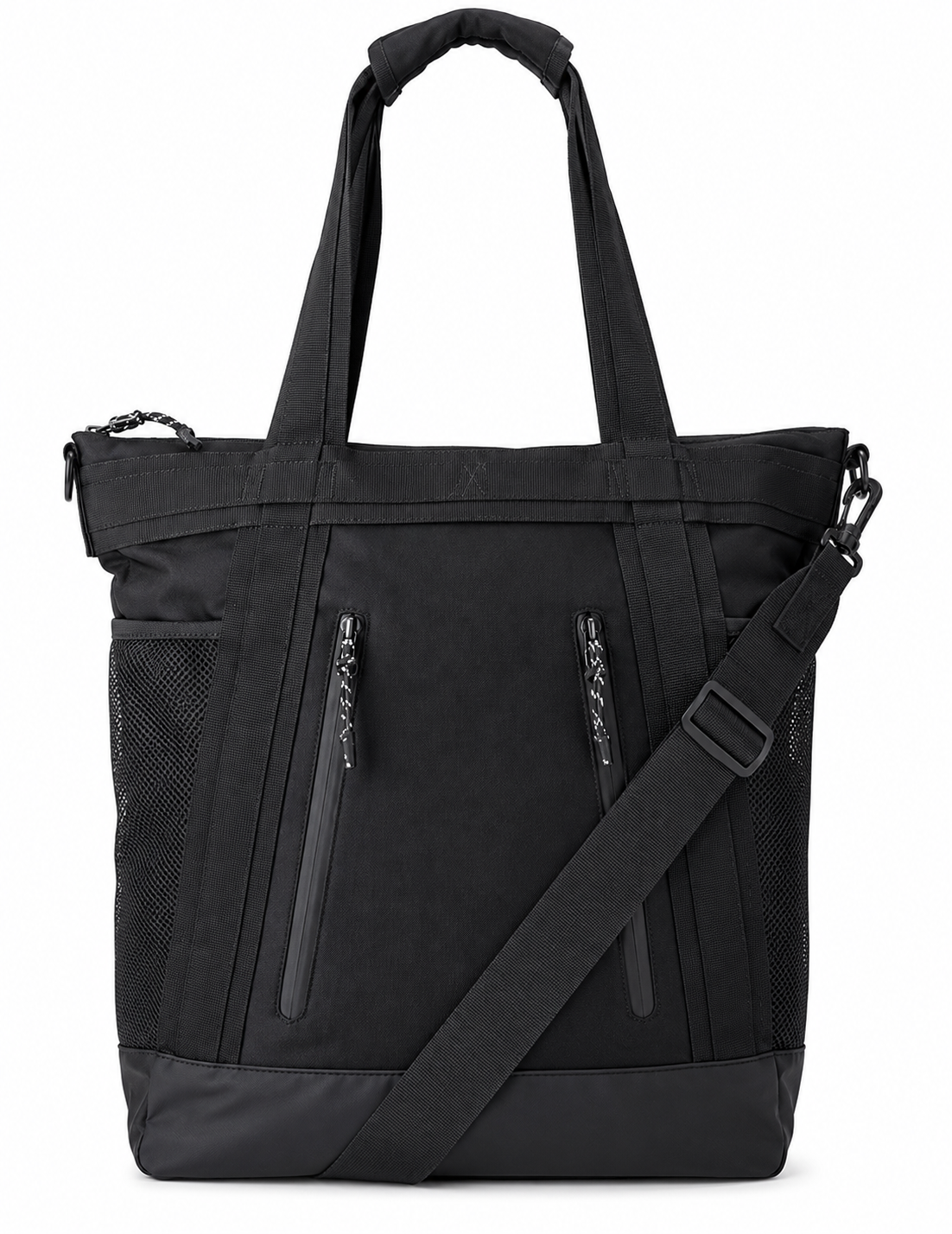
A dedicated treatment-day tote or backpack, paired with a small electronics organizer for chargers and cables, turns “gathering everything before treatment” into a five-minute routine instead of a scramble. This is a genuinely practical gift, especially for someone newer to dialysis who hasn’t settled into a system yet. Our full breakdown of specific bag and organizer picks is in What to Bring to Dialysis.
Power: never fighting over an outlet
A portable power bank means someone doesn’t have to hope a wall outlet near their chair is available or allowed. It’s an easy, inexpensive gift that solves a real, recurring annoyance.
Access-friendly clothing
Clothing built around fistula, graft, or catheter access — with zippers, snaps, or magnetic openings placed near common access sites — can be a genuinely thoughtful gift for someone who gets frustrated dressing for treatment several times a week. KickIt Recovery Wear is one company making adaptive clothing built around this kind of access. See our full Dialysis Clothing Guide for how to think about sizing and access type before buying as a gift.
Renal Care Planner may earn a referral commission if you purchase through the KickIt link above, at no additional cost to you.
Practical support from family and caregivers
Some of the most valued “gifts” for someone on dialysis aren’t products at all. Consider offering to drive to a treatment or two, cooking a meal that fits their diet plan and asking what that plan actually looks like first, helping coordinate appointments, or simply being consistent company on a long treatment day. These forms of support tend to matter more over time than any single item.
What to avoid
A few categories are worth steering away from as gifts, even with good intentions:
- Supplements or products making kidney-health or “detox” claims
- Foods or drinks that may conflict with their specific sodium, potassium, phosphorus, or fluid limits — ask first rather than guessing
- Heating pads or electric blankets, unless you’ve confirmed they’re appropriate for the person specifically
- Anything that could interfere with a vascular access site, such as tight compression sleeves or wrist-worn devices for the access arm
- Gimmicky products claiming to cure, reverse, or treat kidney disease
When in doubt, a simple comfort or organization item, or an offer of practical help, is very hard to get wrong.
The main thing to remember
The best gifts for someone on dialysis are usually the ones that make an ordinary treatment day a little easier — warmth, comfort, entertainment, organization, and access-friendly clothing — plus genuine practical support. Steer clear of supplements, diet-conflicting food gifts, and anything that could interfere with their access, and when unsure, ask what would actually help.
Related Renal Care Planner Resources
- What to Bring to Dialysis: A Practical Treatment-Day Packing Guide
- Dialysis Clothing Guide: Access-Friendly Clothing for Fistulas, Grafts, and Catheters
- What Can You Eat on Hemodialysis? A Practical Beginner’s Guide
Frequently Asked Questions
Is it safe to give food as a gift to someone on dialysis?
It depends entirely on their individual diet plan. Ask what their current sodium, potassium, phosphorus, and fluid guidance looks like before choosing food or drink as a gift, rather than assuming any “healthy” option is safe.
Are heating pads safe to give as a gift?
Not necessarily for everyone. Some patients are advised to avoid heating devices depending on their circulation, skin sensation, or access site. Ask before gifting one, rather than assuming it’s fine.
What’s a good gift for someone just starting dialysis?
A treatment-day bag with a blanket, neck pillow, and headphones is a strong starting point, since new patients often haven’t built a treatment-day routine yet. Offering practical help, like a ride to an early appointment, is just as valuable.
General education only. Renal Care Planner provides general educational information and planning resources. Gift suggestions are provided for general comfort and practicality and do not replace guidance from the recipient’s dialysis care team or dietitian regarding food, supplements, or medical devices.