
A treatment-day bag does not need to be packed with extras. The most useful items are the ones that solve a real problem during those hours—feeling cold, passing the time, keeping a device charged, or keeping small essentials organized.
Affiliate disclosure: This page contains affiliate links. If you purchase through one of these links, Renal Care Planner may earn a commission at no additional cost to you. As an Amazon Associate I earn from qualifying purchases.
We selected these products for specific treatment-day uses rather than trying to create a long list of “dialysis products.” Facility policies and individual preferences vary, so always follow the rules of your dialysis center.
Important during treatment
Keep your face, vascular access, and bloodline connections visible.
Blankets and other comfort items should never prevent dialysis staff from seeing you or your treatment connections. CMS guidance states that a patient’s face, vascular access site, and bloodline connections must remain visible to staff throughout hemodialysis treatment.
This is one reason we prefer simple blankets and neck pillows rather than products with built-in hoods, eye covers, or other features that may obscure the face.
Our treatment-day picks
The goal is not to bring everything you own to dialysis. A simple setup can cover four useful categories: comfort, entertainment, power, and organization.
Comfort pick
PAVILIA Compact Travel Blanket
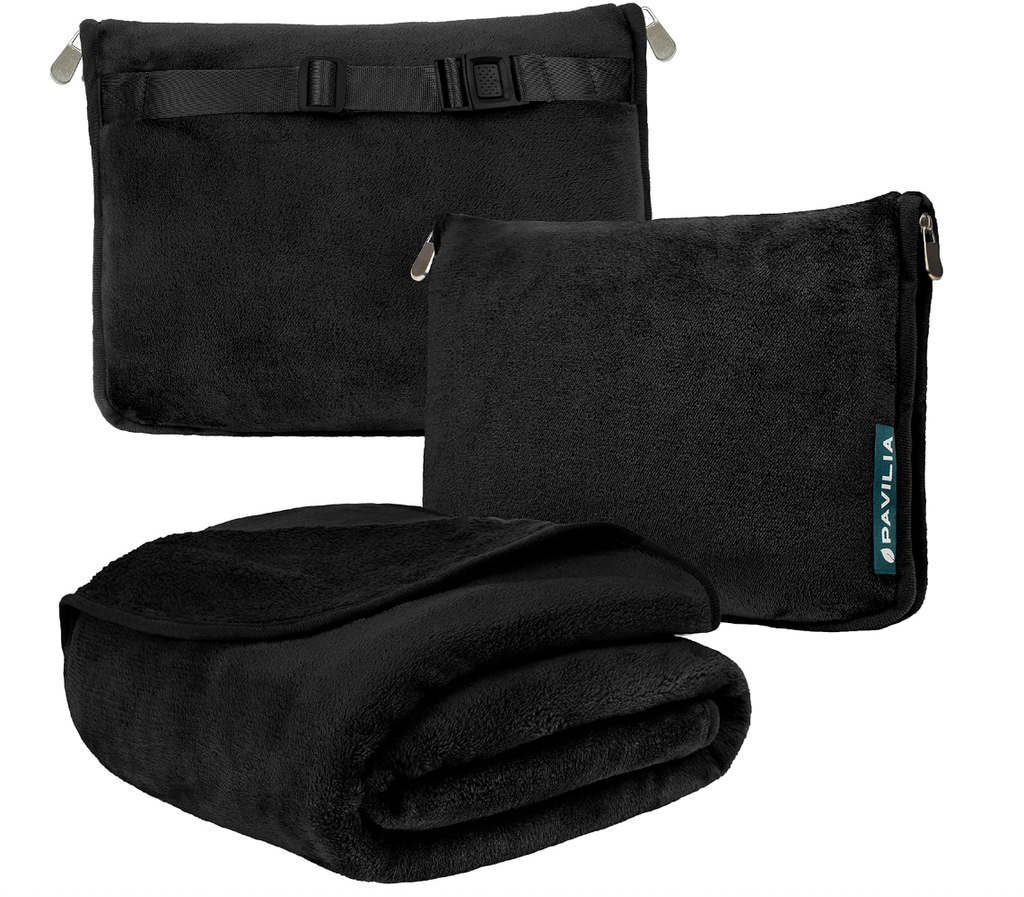
Why we selected it: Treatment rooms can feel cool, and a compact blanket is one of the simplest comfort items to keep in a dedicated dialysis bag. This PAVILIA option is designed as a travel blanket and packs into its own bag, making it easier to carry back and forth than a bulky household blanket.
RCP practical note: Use a blanket in a way that keeps your face, vascular access, and bloodline connections completely visible to staff. Avoid pulling a blanket over your face or covering your access during treatment.
Chair-time comfort
Cabeau Neck Pillow

Why we selected it: Sitting in one position for several hours can make a small amount of additional neck support useful for some people. We prefer a straightforward neck pillow rather than a design that includes a hood or built-in eye covering.
RCP practical note: We would avoid hooded neck pillows or designs that intentionally cover the eyes and face during dialysis. Comfort matters, but staff still need to be able to observe you throughout treatment.
Entertainment pick
Belkin SoundForm Surround Wireless Over-Ear Headphones
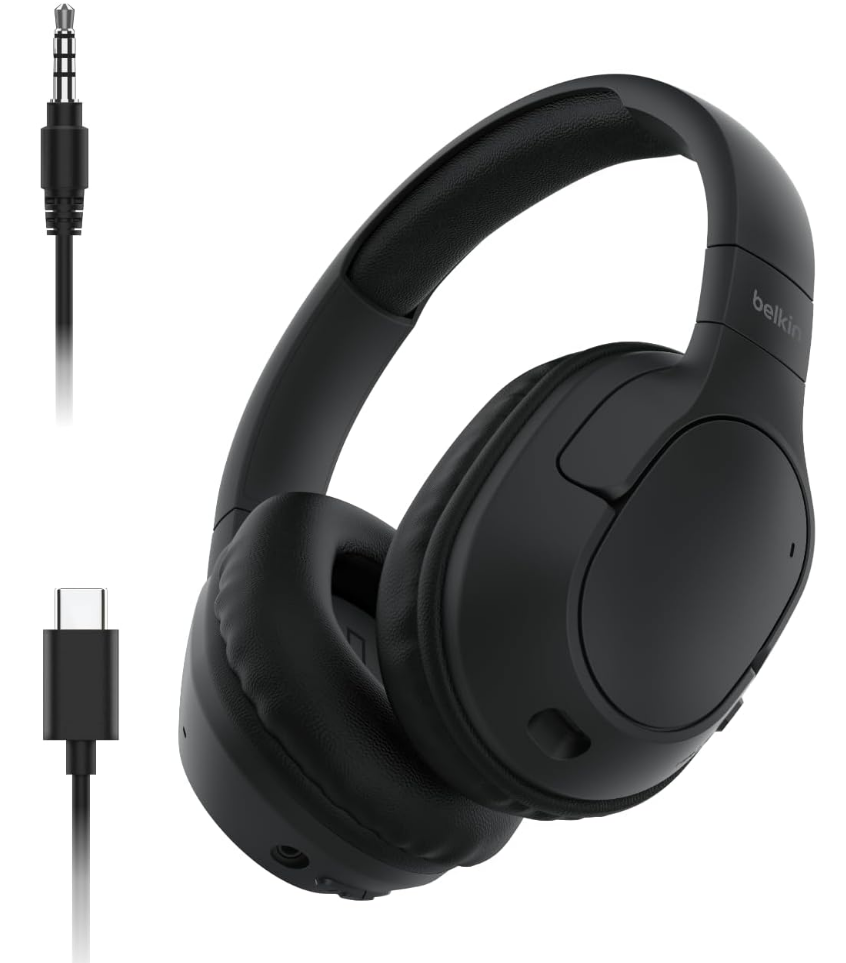
Why we selected them: Entertainment systems differ between dialysis centers. Some treatment-station televisions use a traditional 3.5 mm headphone connection, while personal phones and tablets increasingly rely on Bluetooth. The Belkin SoundForm Surround supports both Bluetooth and a 3.5 mm wired connection, giving you flexibility depending on what is available.
Belkin also lists multipoint support for two Bluetooth devices, so the headphones can stay connected to two compatible wireless sources and switch between them.
RCP practical note: Check your center’s entertainment setup before buying headphones specifically for the treatment-station television. A 3.5 mm connection at one facility does not mean every facility uses the same setup.
Power pick
Anker 313 Power Bank (PowerCore 10K)
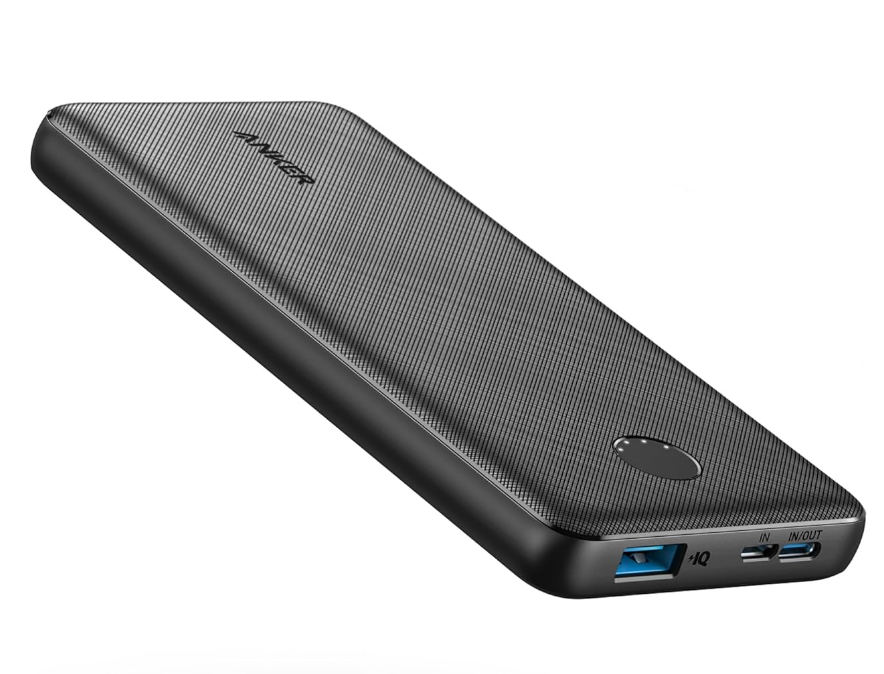
Why we selected it: Phones and other personal electronics can get a lot of use during a several-hour treatment. A power bank lets you bring your own backup power instead of assuming that a wall outlet will be available or permitted for personal charging.
The Anker 313 has a 10,000 mAh battery capacity in a relatively compact format, making it practical to keep in a treatment-day bag.
One detail to know: On this model, the USB-C port is used to recharge the power bank itself. Device charging is through the USB-A output, so make sure the cable you already use is compatible.
RCP practical note: Facility rules about personal electronics and electrical outlets vary. Follow your center’s policies and keep electronics away from areas where they could interfere with treatment equipment or bloodlines.
Organization pick
BAGSMART Electronics Organizer Travel Case
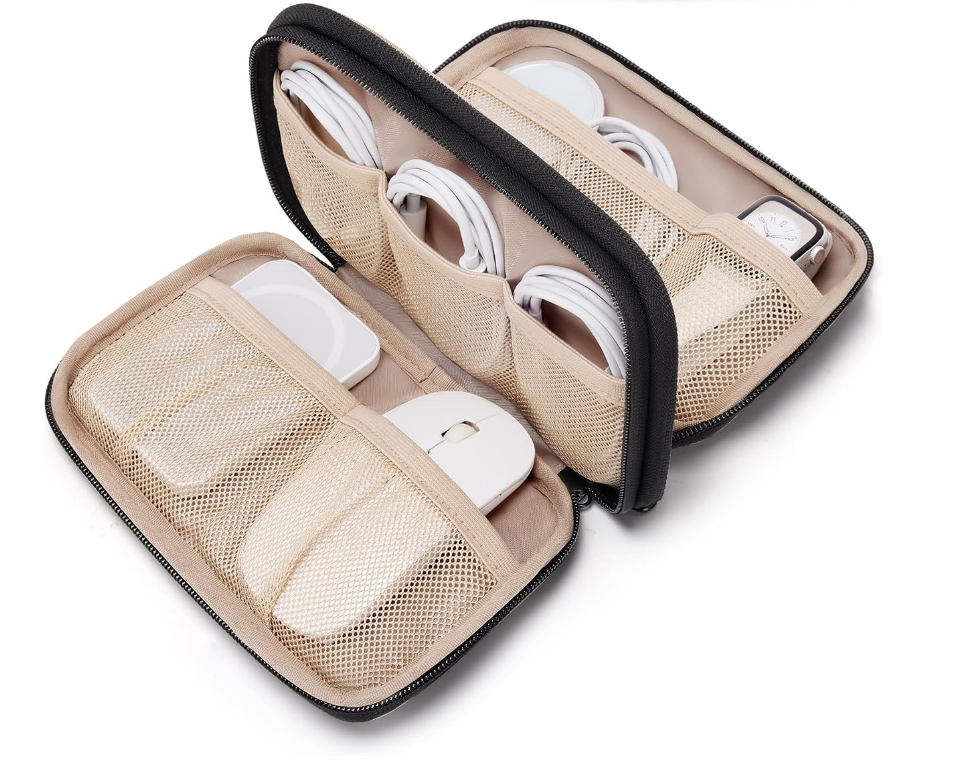
Why we selected it: Chargers, earbuds, adapters, a power bank, pens, and other small items can quickly disappear into the bottom of a larger bag. A dedicated organizer keeps those items together and makes it easier to check that you have what you need before leaving home.
RCP practical note: A simple organization system becomes more useful when you repeat the same routine several times each week. Keeping frequently used electronics in one pouch can reduce the amount of repacking you need to do before each treatment.
Treatment-day bag
Amazon Essentials Convertible Nylon Backpack Tote
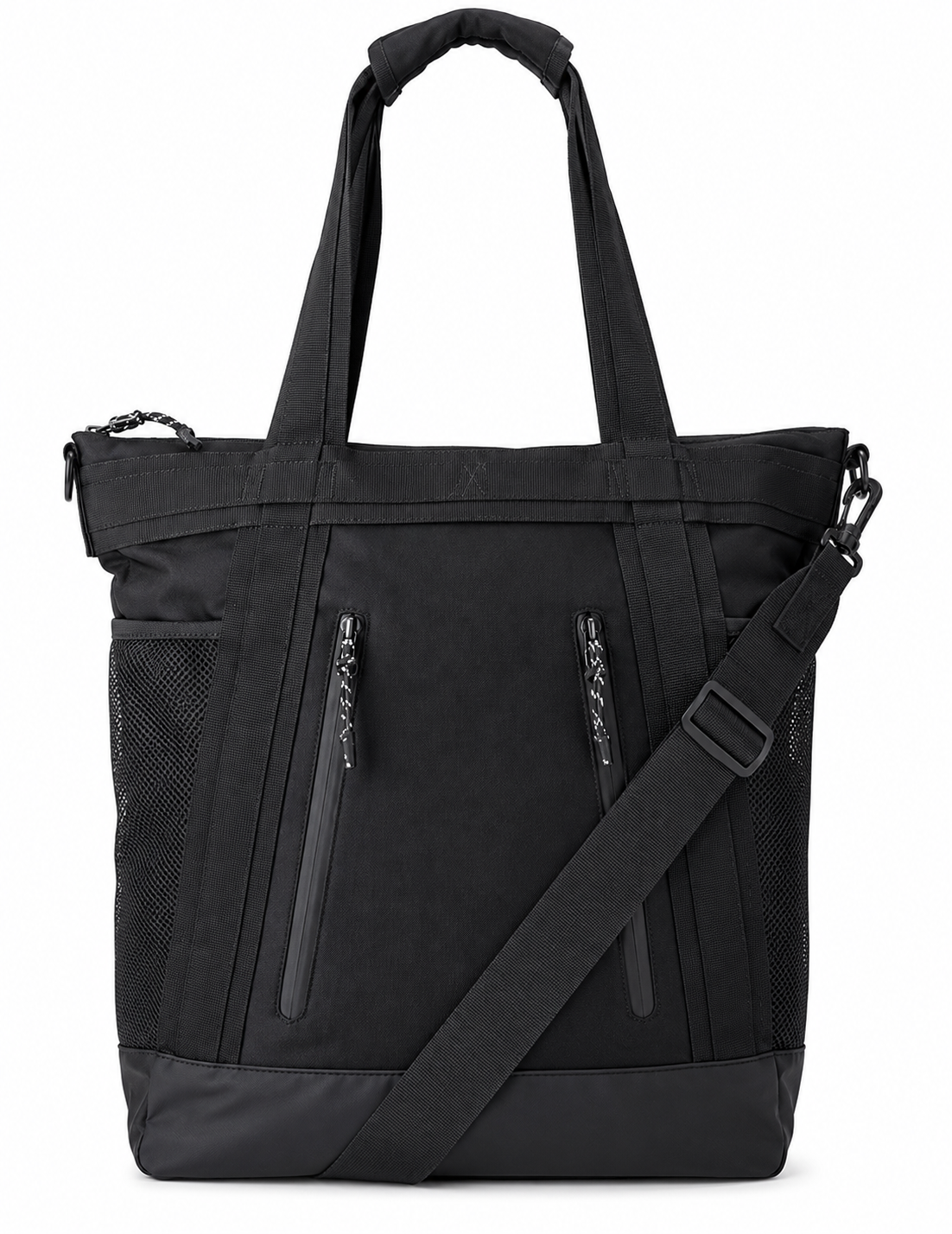
Why we selected it: A dedicated treatment-day bag means the items you regularly use for dialysis can stay together between visits. We like the convertible tote-and-backpack concept because it gives you one carrying style while walking into the center and another way to handle the bag once you are settled.
It can serve as the main home for your blanket, neck pillow, electronics organizer, headphones, planning sheets, and other personal items without requiring a separate bag for each category.
RCP practical note: This is a regular consumer nylon bag, not a healthcare-grade or bleach-resistant bag. We are recommending it for its carrying and organization features, not for disinfectant resistance. Follow the manufacturer’s care instructions and your facility’s rules for storing personal belongings.
You do not need all six
Think of this list as a menu rather than a required packing list. Someone who likes to sleep during treatment may care more about a blanket and neck pillow. Someone who watches movies or listens to podcasts may get more use from headphones and a power bank. Another person may only want a dedicated bag and organizer.
The most useful treatment-day setup is the one that fits your routine without creating unnecessary clutter around the dialysis chair.
What we intentionally left off this list
We are deliberately keeping this collection focused on ordinary comfort, entertainment, charging, and organization products.
- Supplements or products making kidney-health claims
- Food or drinks presented as appropriate for everyone on dialysis
- Blood pressure monitors or other medical equipment
- Compression products
- Heating devices or electric blankets
- Products presented as substitutes for clinic-provided supplies
Those categories can involve individual medical considerations and do not belong in a general treatment-day shopping list.
Before you pack your bag
Your dialysis center’s policies come first.
Ask your center what it allows on the treatment floor, especially if you plan to bring electronics, larger personal items, food or drinks, or anything that may affect access to the treatment chair.
Build your treatment-day setup gradually
You do not need to build a complete dialysis bag before your first treatment. After a few visits, you will have a much better sense of what you actually use, what your center provides, and what you would rather leave at home.
Start simple. Add something only when it solves a real treatment-day problem for you.
Related Renal Care Planner Resources
- Best Gifts for Someone on Dialysis: Useful Treatment-Day Ideas
- What Happens During Hemodialysis?
- Your First Hemodialysis Treatment: What to Expect
- Why Am I So Tired After Dialysis?
- Can Dialysis Patients Travel?
- What Is Dry Weight (Target Weight) in Dialysis?
- What to Wear to Dialysis: A Practical Guide for Treatment Days
- Free Treatment Day Packing Checklist (printable PDF)
Safety reference
CMS State Operations Manual, Appendix H, guidance for ESRD facilities states that during hemodialysis the patient’s face, vascular access site, and bloodline connections must remain visible to staff throughout treatment.
Centers for Medicare & Medicaid Services: Appendix H — ESRD Facilities
General education only. Renal Care Planner provides general educational information and planning resources. Product suggestions are provided for general comfort and organization and do not replace guidance from your dialysis care team or the policies of your dialysis facility.