
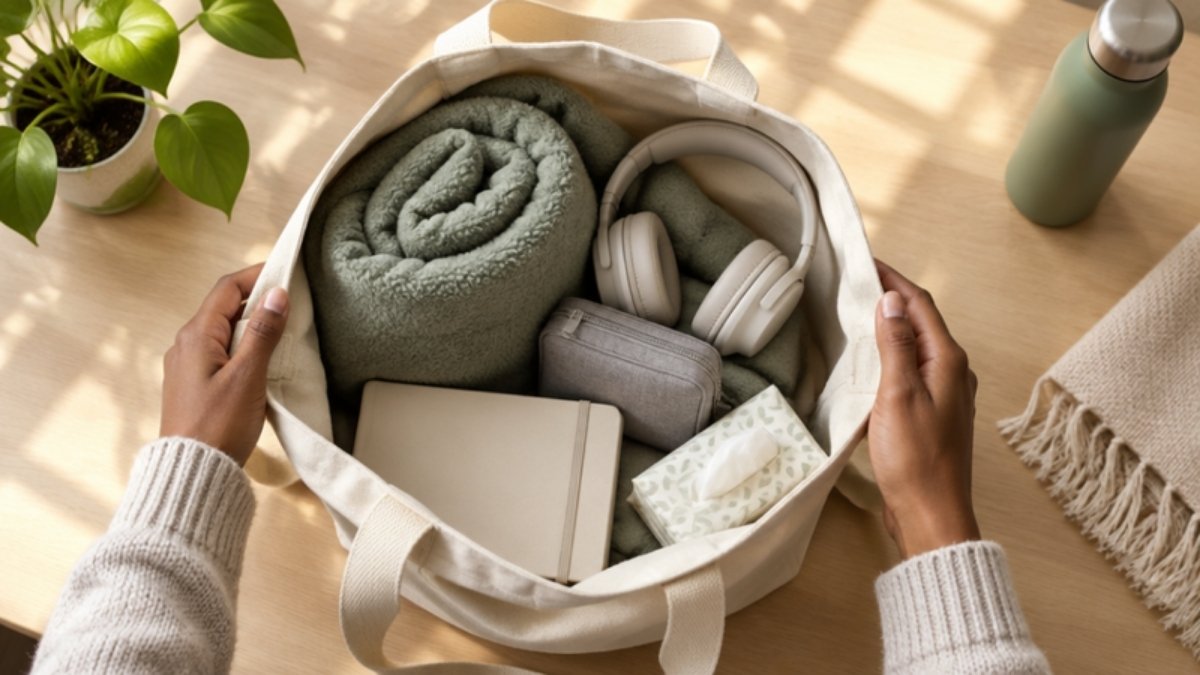
A dialysis bag does not need to be a medical bag. For most people, the best treatment-day bag is simply light, organized, easy to carry, easy to clean, and large enough for the few things that make several hours in the dialysis chair more manageable.
Affiliate disclosure: This page contains affiliate links. If you purchase through one of these links, Renal Care Planner may earn a commission at no additional cost to you. As an Amazon Associate I earn from qualifying purchases.
Quick answer
Prioritize weight, access-arm safety, cleanability, and organization.
A good dialysis bag should be light before you fill it, easy to carry without putting pressure on your fistula or graft arm, simple to wipe or wash, and sized for what you actually bring. Bigger is not automatically better.
Why a dedicated dialysis bag can help
Conventional in-center hemodialysis is commonly performed about three times per week, with sessions often lasting around four hours. That means a treatment-day routine repeats frequently. Keeping the same small set of comfort and entertainment items together can reduce the amount of repacking you do before each visit. NIDDK provides an overview of in-center hemodialysis schedules and treatment.
Protect your access arm when carrying it
If you have an AV fistula or graft, how you carry the bag matters. The National Kidney Foundation advises avoiding heavy pressure on the access arm, including tight clothing and heavy bags that compress the area. See NKF guidance on protecting a hemodialysis access.
- Start with a lightweight bag.
- Carry it with your non-access arm when practical.
- Avoid resting a heavy shoulder strap over the access.
- Do not overpack simply because the bag has extra room.
Choose something you can clean
A dialysis station is a clinical environment. CDC infection-control guidance treats items brought into a dialysis station as objects that can potentially become contaminated and emphasizes cleaning and separation of patient items from clean clinical areas. Read the CDC infection-control recommendations for hemodialysis settings.
You do not need to treat your personal bag like sterile equipment. But nylon, polyester, or another easy-care material is usually more practical than a bag that is difficult to wipe or wash. Follow your facility’s instructions about where personal belongings should be placed, and do not use the dialysis machine as a shelf.
How big should a dialysis bag be?
Think about what you actually use during treatment. Common items can include a small blanket, headphones, phone, tablet or e-reader, charging equipment, glasses, lip balm, a book, and a small organizer pouch. DaVita also suggests comfort and entertainment items such as a blanket, pillow, book, and earphones for treatment. See DaVita’s getting-started suggestions.
If you only bring headphones, your phone, and a book, a giant tote can become more annoying than useful. If you routinely bring a throw blanket, neck pillow, tablet, and charger, extra room makes more sense.
Our practical treatment-day bag pick
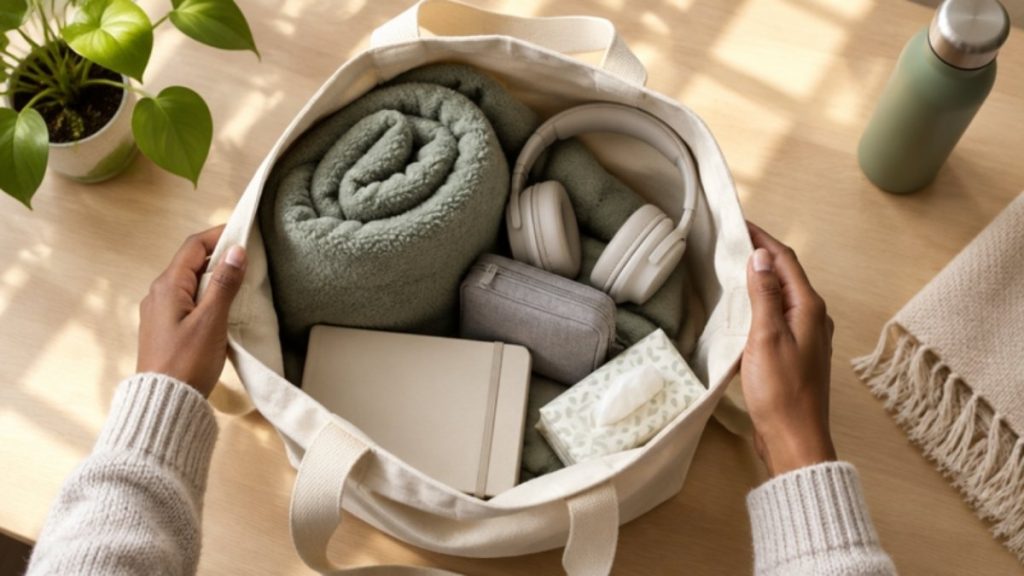
Treatment-day bag
Amazon Essentials Convertible Nylon Backpack Tote
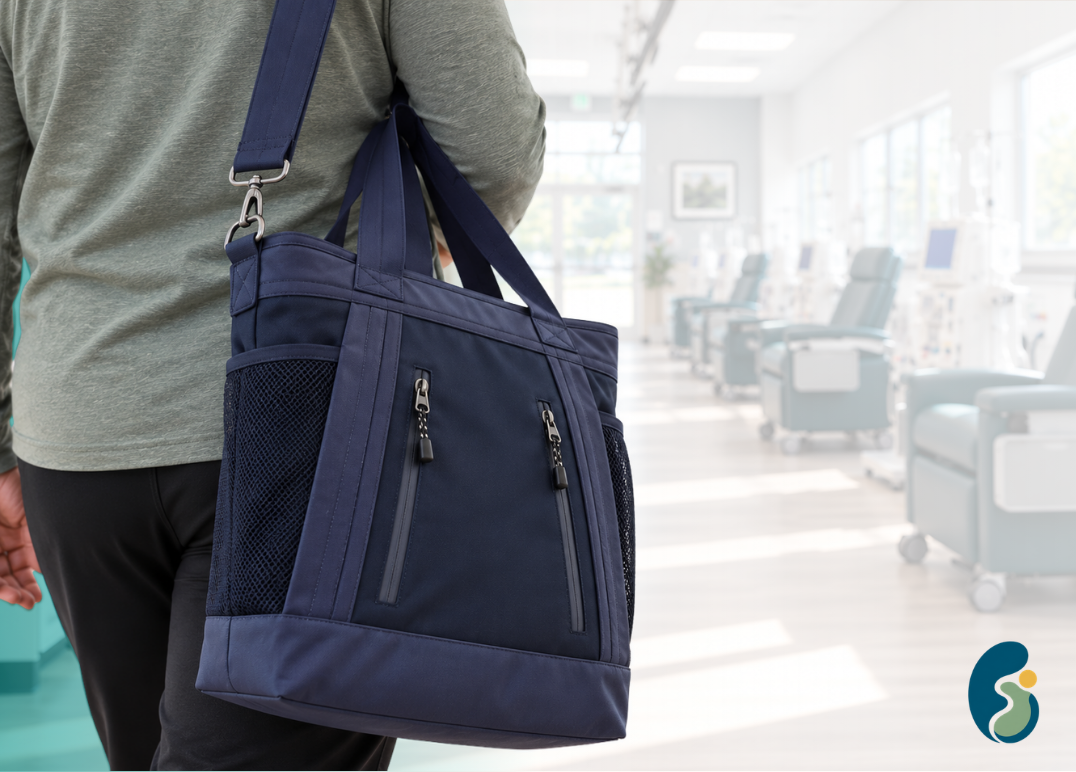
Why we selected it: A convertible tote-and-backpack design gives you more than one way to carry the same bag. That can be useful if you want to avoid loading one shoulder repeatedly or if you prefer carrying the bag differently once you are settled at the clinic.
RCP practical note: This is a regular consumer nylon bag, not healthcare-grade equipment. We are recommending it for carrying and organization features, not for disinfectant resistance. Protect your access arm and follow the manufacturer’s care instructions.
A small organizer can be more useful than a bigger bag
One simple strategy is keeping a dialysis pouch inside your regular bag. Chargers, earbuds, adapters, pens, lip balm, and other small items stay together, while larger items such as a blanket can be added only when needed.
Organization pick
BAGSMART Electronics Organizer Travel Case
Why we selected it: A dedicated organizer makes it easier to keep charging cables, earbuds, a power bank, adapters, and other small items from disappearing into the bottom of a larger treatment-day bag.
One note about drinks
Many bags advertise oversized bottle pockets. That may be useful for everyday life, but fluid recommendations for people on dialysis are individualized. A large bottle compartment should never determine how much you drink. Follow the fluid plan your own dialysis team has given you.
What we would prioritize
- Easy to carry without putting pressure on the access arm
- Lightweight before packing
- Zippered or secure closure
- Easy-care material
- Enough room for your actual routine
- Useful internal organization
You do not need a special “dialysis bag.” You need a bag that makes your treatment-day routine easier without creating another problem to carry. Use the free Treatment-Day Packing Checklist to decide what goes in it, and keep your notes and questions in the 90-Day Dialysis Planner.
Related Renal Care Planner resources
- What to Bring to Dialysis: A Practical Treatment-Day Packing Guide
- Your First Hemodialysis Treatment: What to Expect
- Dialysis Clothing Guide: Access-Friendly Clothing for Fistulas, Grafts, and Catheters
General education only. Renal Care Planner provides general educational information and planning resources. Product suggestions are for general comfort and organization and do not replace guidance from your dialysis care team or your facility’s policies.